
Integrated vs Modular ATPL Training: How the EASA Routes Differ
Part-FCL allows two ways to train towards an airline transport pilot licence for aeroplanes: one continuous integrated course, or a series of separate modules. This guide sets out the minimums in EASA's Easy Access Rules for Aircrew as revised in October 2026. Prices, schedules and entry tests are set by each training organisation, not by the regulation.
· by Michal Zembol
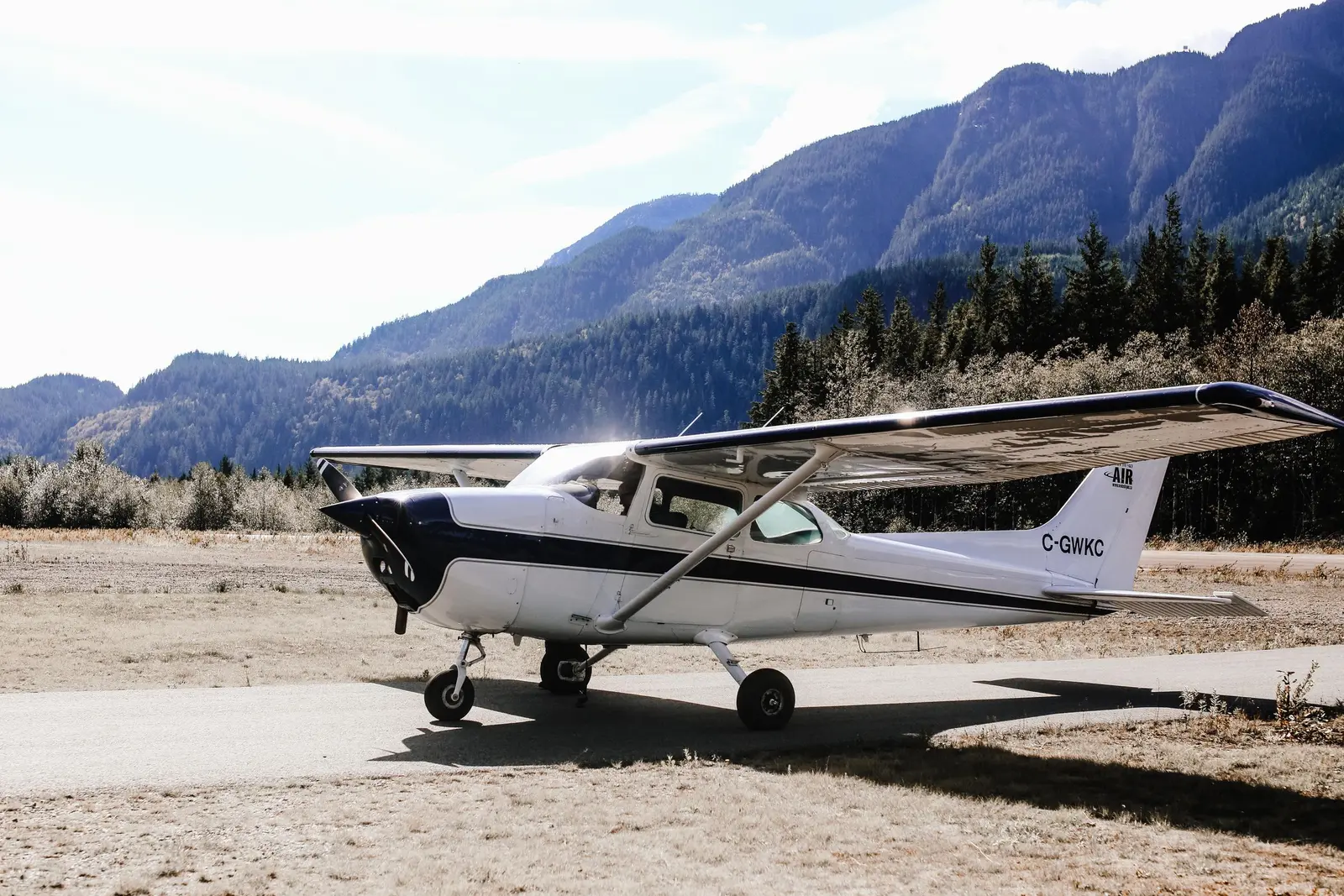
Training does not end with an ATPL in hand
The airline transport pilot licence (ATPL) is the licence that lets a pilot act as pilot-in-command (PIC) of an aeroplane in commercial air transport (FCL.505). Part-FCL, which is Annex I to Commission Regulation (EU) No 1178/2011, sets a minimum age of 21 (FCL.500). Under FCL.510.A an applicant must also hold either a multi-crew pilot licence (MPL), or a commercial pilot licence (CPL(A)) with a multi-engine instrument rating and multi-crew cooperation (MCC) training.
The same point sets an experience minimum of 1,500 hours of flight time in aeroplanes. That total must include at least:
- 500 hours in multi-pilot operations;
- 500 hours as PIC under supervision, or 250 hours as PIC, or a mix of at least 70 hours as PIC with the rest as PIC under supervision;
- 200 hours cross-country, with at least 100 of them as PIC or PIC under supervision;
- 75 hours of instrument time, no more than 30 of them on the ground;
- 100 hours of night flight as PIC or co-pilot.
No training course reaches those numbers. Appendix 3 designs the integrated course to end with a CPL(A) and an instrument rating (IR), and the modular route builds the same licence and rating step by step. The ATPL experience comes afterwards.
What people mean by a frozen ATPL
"Frozen ATPL" is an industry expression, not a term used in Part-FCL. It usually describes a pilot who holds a CPL(A) with a multi-engine IR and MCC, and has passed the ATPL theoretical knowledge examinations, but has not yet logged the experience above. Part-FCL keeps those exam passes usable for the issue of an ATPL for seven years from the last validity date of an IR entered in the licence (FCL.025). The exams themselves are covered in our guide to the EASA ATPL theory exams.
Both routes run through an approved training organisation
FCL.515 requires every ATPL applicant to have completed a course at an approved training organisation (ATO). The course can be integrated or modular, and Appendix 3 to Part-FCL defines both. An ATO is approved by a competent authority, and the rules for ATOs themselves sit in Part-ORA, Annex VII to the same regulation.
One rule applies to every Appendix 3 course: a student who wants to move to a different ATO part-way through must ask the competent authority for a formal assessment of how much further training is needed.
The integrated route in figures
Appendix 3, Section A, describes the ATP(A) integrated course. Its aim is to prepare a pilot to fly as co-pilot on multi-pilot, multi-engine aeroplanes in commercial air transport and to obtain a CPL(A) with an IR. All stages must be completed in one continuous course arranged by an ATO. Students may join with no experience or with a private pilot licence (PPL). PPL holders have half of their previous hours credited, up to 40 hours, or 45 if they hold an aeroplane night rating.
- Theoretical knowledge: at least 750 hours of instruction.
- Flying training: at least 195 hours, not counting type rating training, of which up to 55 hours may be instrument ground time in a simulator or training device.
- Within that total: 95 hours of dual instruction, 70 hours as PIC (up to 55 of them as student pilot-in-command), 50 hours cross-country as PIC including a flight of at least 540 km (300 NM), and 5 hours at night.
- 115 hours of instrument time, including 15 hours of MCC, and 5 hours in an aeroplane with at least four seats, a variable-pitch propeller and retractable landing gear.
- Upset prevention and recovery training (UPRT), and MCC with at least 25 hours of theory and exercises.
The course ends with the CPL(A) skill test and an IR skill test on a multi-engine aeroplane. A student who cannot finish may apply for the exams and tests for a licence with lower privileges, if they meet its requirements.
The modular route step by step
A modular student builds the same qualifications one at a time. Part-FCL sets these minimums for each step:
- PPL(A): at least 45 hours of flight instruction (FCL.210.A).
- CPL(A) modular course (Appendix 3, Section E): a PPL(A) and 150 hours of flight time, including 50 hours as PIC in aeroplanes, before the flight training starts. The course includes at least 250 hours of theory and, for pilots without an IR, 25 hours of dual instruction. The applicant needs at least 200 hours of flight time in total, including 100 hours as PIC.
- IR(A) modular course (Appendix 6): at least 150 hours of theory and 50 hours of instrument time under instruction for a single-engine IR, or 55 hours for a multi-engine IR, with credits for some earlier instrument training.
- MCC (FCL.735.A): at least 25 hours of theory and exercises and 20 hours of practical training in a suitable simulator, completed within six months at an ATO.
- ATPL(A) theory (Appendix 3, Section B): a PPL(A) is the minimum entry point. The required instruction is 650 hours for a PPL holder, 400 for a CPL holder, 500 for an IR holder and 250 for a holder of both a CPL and an IR.
On the modular CPL course, the flight training must still be done as one continuous course at an ATO, but the theory may be taught by an ATO that only provides theoretical instruction.
What the rules fix and what varies
Part-FCL fixes the minimum hours, the need for an ATO, the continuity of an integrated course, and the exams and skill tests. These are minimums. The rules do not promise that a student will reach test standard in exactly those hours.
The regulation does not set course fees, the length of a course in months, the aircraft or simulators an ATO chooses, entry assessments, or links with any airline. Part-FCL publishes no prices, so this guide does not quote any. Compare ATOs on what each one states in writing, and check the ATO's approval with the authority that will issue your licence.
The MPL is a separate route, set out in Appendix 5 to Part-FCL, and is not covered here. Note one limit: if an ATPL(A) holder has previously held only an MPL, the ATPL privileges are restricted to multi-pilot operations unless extra single-pilot requirements are met (FCL.505.A).
Before choosing a route
On either route, a student needs a medical certificate before the first solo flight, and a Class 1 certificate is required for CPL and ATPL privileges. Read our guide to the EASA Class 1 medical before paying for training. Part-FCL separately requires a student to be at least 16 before the first solo flight (FCL.020).
Completing either route gives you licences and ratings, not a job. Airlines run their own selection and set their own requirements. For related guides, see the pilots section. For the legal text, use EASA's Easy Access Rules for Aircrew.